
Quick answer
Choose Al Boraq when you want a faster trip on the northern high-speed corridor. Choose regular ONCF when your route reaches farther across Morocco or when the schedule and station fit your plan better.
In practice, the smartest travelers do not treat this as a brand debate. They use it as a routing shortcut: start with the train type that most naturally matches the journey, then compare the actual departure before paying.
What Al Boraq is best for
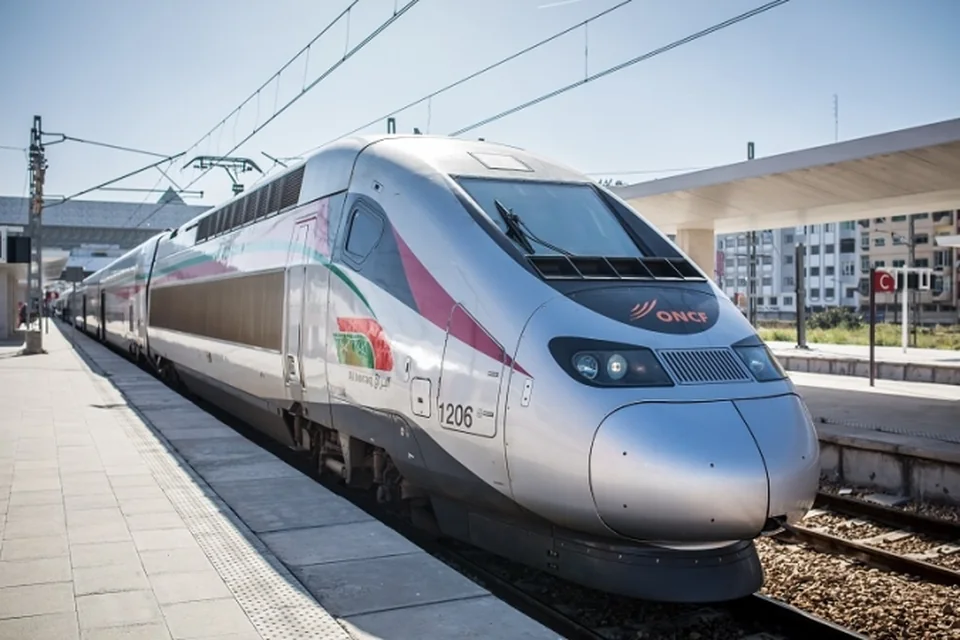
Al Boraq is the first place to look when the route sits on Morocco’s main northern high-speed corridor. ONCF’s Al Boraq information describes the line linking Casablanca and Tangier via Casa Voyageurs, Rabat Agdal, Kenitra, and Tangier, with onward transfer possibilities.
That is why Al Boraq makes the most sense for travelers who want to move quickly between the biggest north-corridor cities without turning the day into a long road journey.
- Best for travelers who care about speed first
- Strong fit for Tangier, Kenitra, Rabat, and Casablanca searches
- Useful when you want a cleaner day plan with less travel drag
What regular ONCF is best for
Regular ONCF trains matter because Morocco rail travel is bigger than the high-speed corridor. If your route involves Marrakech, Fes, airport transfers, or longer classic intercity travel, the regular ONCF network is often the more relevant place to focus first.
This does not make it the slower or weaker choice in every situation. It simply means broader route coverage can be more important than raw speed, especially when the trip only works if the stations and transfer plan line up properly.
- Better for broader route coverage across Morocco
- More likely to fit Marrakech, Fes, and airport-linked searches
- Often the smarter starting point when route coverage matters more than speed
How to choose without overthinking it
Use this quick decision frame before you open live tickets:
- If speed matters most, check Al Boraq first.
- If the route is outside the high-speed corridor, check regular ONCF first.
- If you have a connection afterward, compare arrival station and timing before price.
- If it is a longer travel day, compare class instead of defaulting to the cheapest option.
This is where a lot of people save themselves trouble. The wrong departure time, station, or class can make the whole day feel heavier than it needed to be, even if the ticket looked fine at checkout.
If class is the part you are stuck on, read our first class vs second class guide before you book.
Which one helps you book with more confidence?
The answer is not always the train that sounds better. It is the one that makes your route clearer. Travelers convert faster when they can picture the journey properly: where they leave from, where they arrive, whether they need a transfer, and whether the comfort level matches the day ahead.
That is why comparing train type before searching tickets works so well. You remove uncertainty before the booking step instead of trying to fix uncertainty after you have already paid.
If your real question is simply whether the high-speed option is worth prioritizing, read our Al Boraq worth-it guide.
Good route examples for each option
- Tangier to Casablanca: one of the clearest Al Boraq-first searches.
- Rabat to Tangier: another route where speed often leads the decision.
- Marrakech to Casablanca: a route where broader ONCF coverage often matters more.
- Marrakech to Fes: a longer trip where timing and class deserve more attention.
- Casablanca airport to Marrakech: a good example of why station sequence and transfers matter.
FAQ
What is the main difference between Al Boraq and regular ONCF trains?
Al Boraq is usually the first option to check when speed matters most on the northern corridor, while regular ONCF trains are better for broader route coverage across Morocco.
Which routes fit Al Boraq best?
Tangier, Kenitra, Rabat, and Casablanca are the most natural places to start because they sit on the high-speed corridor described by ONCF.
Should I still compare both before booking?
Yes. The best choice is not only about speed. Departure time, station, class, and what you need to do after arrival can matter just as much.
Search the right train before you book
If you already know your route, the next move is simple. Start with the train type that fits the trip, open live ticket availability, and book once the departure, station, and class all feel right.